
How to Pay in China: Alipay, WeChat Pay & QR Codes (2026)
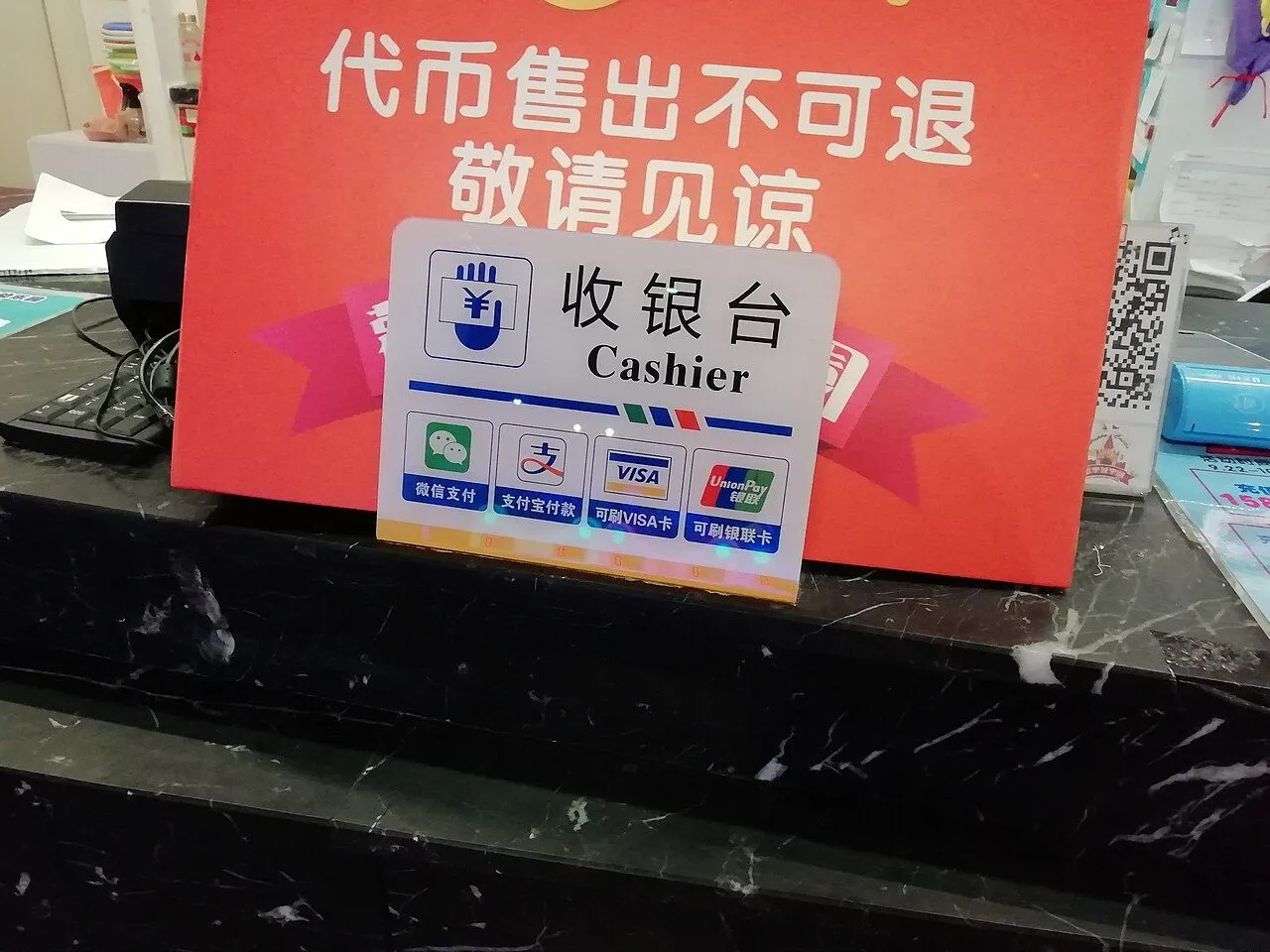
China went cashless years ago. Street vendors, noodle shops, metro gates, even temple donation boxes — everything runs on QR codes. Trying to pay with cash or a card is the fastest way to feel like a tourist. Here’s how to set yourself up before you land.
The two apps you need
- Alipay (支付宝) — the payment super-app, also used for metro tickets, ride-hailing and taxi meters in many cities.
- WeChat Pay (微信支付) — built into WeChat, the messaging app everyone uses. Useful when a shop only shows a WeChat QR code.
Both are free, and both now support foreign cards. Install both — some vendors only accept one or the other.
Which to set up first?
Set up both, but do Alipay first. That is the wallet Didi and most metro QR codes actually charge. WeChat Pay is the backup for shops that only show a WeChat QR. Ten extra minutes for the second app is cheaper than a stall that will not take the one you installed.
Already using an Alipay+ partner wallet at home (AlipayHK, Kakao Pay, Touch ‘n Go, OCBC, TrueMoney and others)? In many cases you can scan Chinese merchant QR codes with it directly — no new app needed.
Setup in 10 minutes (do this before you fly)
- Download Alipay (international version available in your app store) and/or WeChat.
- Register with your overseas phone number — no China SIM needed.
- Open the payment section and link a card: Visa, Mastercard, JCB, Amex, Discover or Diners Club issued outside China (WeChat Pay also accepts UnionPay cards issued outside the mainland).
- For Alipay: find the “International” / “境外” area in settings to check the foreign-card payment options.
- Verify your identity when prompted — small amounts usually need no further steps; higher amounts may ask for passport verification.
How QR payment works
- You scan the merchant’s code (most common): open the app → Scan → point at the QR code on the counter → confirm the amount → pay.
- The merchant scans your code (common in shops and supermarkets): open your payment QR / “Pay/收付款” page, they scan it with their device.
- Offline QR / NFC: both apps work without data in many cases (offline QR codes), but keep roaming or a local SIM for peace of mind.
Set Alipay to use your home-country card as the default payment method, and switch on the "foreign card" mode once — otherwise the app may default to balance or a card you haven't linked.
Limits and fees (check current policy)
The People’s Bank of China has progressively relaxed limits for foreign-card payments since 2024, most notably raising the single-transaction cap from US$1,000 to US$5,000 and the annual cap from US$10,000 to US$50,000. On top of that macro cap, each app applies its own limits and fees:
- WeChat Pay (international cards): single transaction ¥6,500, monthly cumulative ¥50,000, yearly cumulative ¥65,000. Transactions up to ¥200 are fee-free; above ¥200 a 3% fee applies. The exchange rate is set by your card network and issuing bank.
- Alipay (international cards): follows the macro US$5,000 / US$50,000 caps, with a similar small-transaction fee waiver and a 3%-style fee on larger purchases — exact numbers vary, so check the in-app help.
- Exchange rate for both is set by your card network (Visa/Mastercard) and issuing bank, usually close to the mid-market rate. The app adds nothing on top for the conversion.
Checked . Figures above come from the official WeChat Pay help centre, Alipay's overseas-card pages and the State Council's 2024 payment-convenience policy. Current rules: WeChat Pay international-card guide · Alipay overseas-card guide · PBOC & SAFE guide for overseas visitors.
When you still need cash
- Backup only: keep ¥200–500 for small street stalls, some taxis, and rural areas.
- Get cash: airport ATMs and bank ATMs accept international cards (look for the Visa/Mastercard/UnionPay logo on the machine). Airport currency-exchange desks work too, at a worse rate.
- Change: for larger notes, ask for smaller denominations — big bills are harder to use in tiny shops.
Tax refunds on purchases
China’s visitor tax-refund scheme exists, but it’s much less common than in Europe — don’t expect it at every till. Only shops registered as tax-refund stores (look for the official tax-refund sign at the entrance) can issue refund paperwork. There are roughly 12,000 of them nationwide (2025), almost all in department stores, malls and duty-free outlets; street shops and boutiques almost never qualify.
Two ways to claim:
- At the airport (the classic route): buy at any registered store, get the invoice plus a refund application form, then claim at the customs counter when you depart. Threshold: ¥200 in one day at the same store; goods must be unused, bought within 90 days of departure, and carried out by you. The refund rate is 11% (8% for some goods), minus a small agency fee.
- Instant refund in-store (“buy-now, refund-now” 即买即退, nationwide since April 2025): participating stores refund you on the spot — but you must hold a credit card for a pre-authorisation hold, which is released once you actually leave the country. Cash refunds up to ¥20,000; larger amounts go by bank transfer.
Practical tips: keep your passport handy when shopping at malls and duty-free outlets, and ask at the till whether the store participates. If a small shop says no, that’s normal — the airport route still works for any registered store. Official rules: SAT announcement, April 2025.
What about cards at hotels?
International cards work at most mid-range and up hotels and at many chain restaurants. Everywhere else, assume QR or cash. A backup card in your wallet is still smart — but it won’t be your daily driver.
Frequently asked questions
Can foreigners use Alipay or WeChat Pay with a foreign credit card?
Yes. Both apps allow binding cards issued outside China — Visa, Mastercard, JCB, Amex, Discover and Diners Club (WeChat Pay also accepts UnionPay cards issued outside the mainland). You register with an overseas phone number, link your card, and pay by scanning QR codes. You need live data the moment you land.
Do I still need cash in China?
Keep a small backup — ¥200–500 — for the rare vendor that only takes cash (small street stalls, some taxis). The rest of the time QR payments work everywhere.
Are there transaction limits for foreign cards?
Yes. The central bank raised the single-transaction cap to US$5,000 and the annual cap to US$50,000 in 2024. WeChat Pay applies its own caps in RMB — ¥6,500 per transaction, ¥50,000 per month and ¥65,000 per year — with a 3% fee on transactions above ¥200 (smaller ones are fee-free). Alipay's exact numbers vary, so check the in-app help before relying on large purchases.