
How to Use the Metro in China (2026)
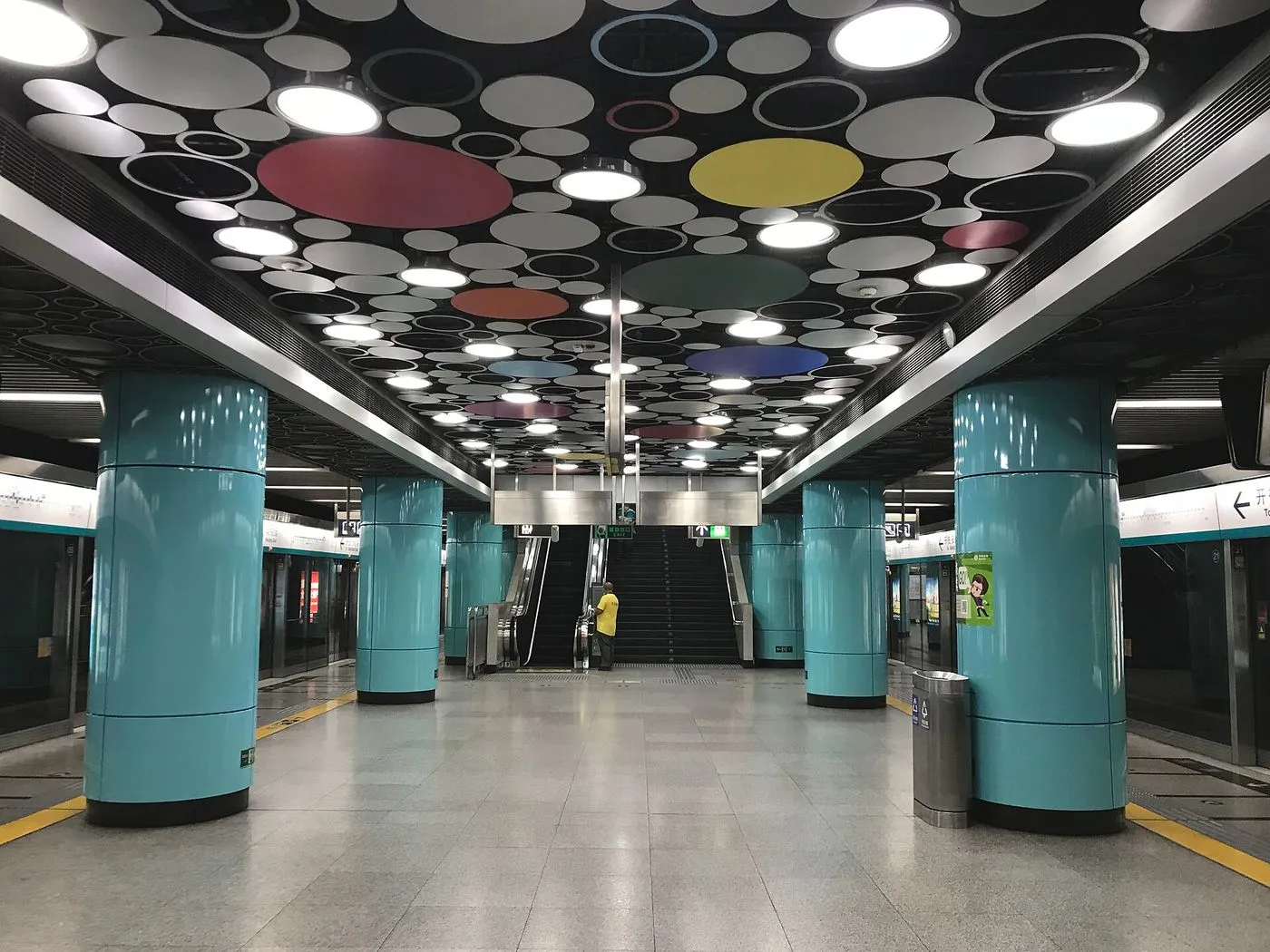
China runs the world’s largest metro system — over 11,000 km of track across 47 cities — and it’s the fastest, cheapest and most tourist-friendly way to get around any big Chinese city. Fares run ¥2–10 for most trips, stations are clean and air-conditioned, and in major cities the signage is fully bilingual. Here’s everything you need to ride it with a foreign passport.
Three ways to pay (pick one)
| Method | How it works | Where | Best for |
|---|---|---|---|
| Alipay / WeChat Pay QR code | Open the transport code, scan at entry and exit — the fare is calculated automatically | Almost all 55 metro cities | Most travellers (recommended) |
| Tap your bank card | Wave a contactless Visa, Mastercard, Amex or UnionPay card at the gate | Beijing, Shanghai, Guangzhou, Chengdu | No app at all |
| Single-ride ticket / transit card | Buy at the machine or staffed window; cash, cards and QR payments accepted | Every station | Backup if your phone dies |
Set up the QR-code option before you reach the gate — ideally on hotel Wi-Fi. The first activation involves identity verification and payment-authorisation screens that are annoying to complete standing in a queue.
Option 1: Alipay / WeChat Pay QR code (recommended)
If you’ve already set up Alipay or WeChat Pay with a foreign card, you’re 90% done:
- Open Alipay, tap Transport (出行).
- Check the city in the top corner, then follow the prompts to issue that city’s metro QR code (身份核验 — the same passport verification you did for payments).
- At the gate, hold the QR code over the scanner to enter. Scan the same code again at the exit gate — the fare is calculated by distance and charged to your linked card.
In WeChat Pay, the equivalent is the “Ride Code” (乘车码) mini-program — same flow, slightly different menu.
Each city issues its own code — you switch cities inside the app rather than using one code nationwide. And always enter and exit with the same account and same code, or the system can't work out your trip.
Option 2: Tap your bank card (Beijing, Shanghai, Guangzhou, Chengdu)
In these four cities you can skip apps entirely: per the official 2026 guide for foreign nationals, passengers can wave a contactless UnionPay, Visa, Mastercard or American Express card directly at the turnstile. The same applies on Beijing’s suburban S2 line and Shanghai’s maglev and suburban lines.
- Your card must support contactless payment (the wave symbol) with small-amount no-PIN purchases enabled.
- Coverage varies by station and line — look for the card-symbol sticker on the gate before relying on it.
- Tap the same card at entry and exit; the correct fare is deducted automatically.
Card tapping is a 2025–2026 rollout, not a national standard — outside these four cities, use the QR code or a ticket.
Option 3: Single-ride ticket or transit card (backup)
- Ticket machines have an English interface: pick your destination on the touchscreen, pay by cash, QR code or (in some cities) a bank card, and take the token or paper ticket. Insert it at entry, feed it in at exit.
- Staffed windows sell the same single tickets and accept cash, foreign bank cards and QR payments.
- Transit cards (e.g. Beijing’s Yikatong) can be bought with your passport at station service counters for a refundable deposit of about ¥20–30. Handy for frequent riders, but for a short visit the QR code is simpler.
Keep ¥50–100 in small cash as your last-resort backup — it's accepted at every station's ticket window if your phone and cards both fail.
How do you use a China metro station?
- Security check (安检). Every metro station screens everyone and everything: bags through an X-ray, you through a metal detector. Drinks and lighters are commonly checked — just put them in the tray.
- Tap in. Scan your QR code, tap your card, or insert your ticket at the gate. Don’t stand in the queue to open your app — have it ready with the screen brightness up.
- Transfer (换乘). Big stations can mean a long walk between lines — give yourself 10 extra minutes.
- Tap out and exit. Scan your QR code, tap your card, or feed in your ticket at the exit gate. Then pick your exit letter (A/B/C/D…) — big stations have a dozen exits, and the wrong one can mean a 10-minute walk above ground. Amap (English mode) or Apple Maps tells you which exit to use — Google Maps does not.
Fares and hours
- Fares are distance-based, typically ¥2–10 for most trips within a city — a fraction of a taxi fare. You never pay more than the map shows at the station.
- Hours are roughly 6:00 am – 11:00 pm, varying by city and line. If you’re out late, check the last-train time for your line before relying on the metro to get home.
Etiquette and practical tips
- Queue and let people off before boarding — this is taken seriously and makes everything faster.
- Eating and drinking are banned on trains in most cities; bottled water is fine.
- Peak hours (roughly 7–9 am and 5–7 pm) are packed. Avoid hauling luggage through the system at these times — or use the elevator, which exists at nearly every station.
- Air conditioning is aggressive year-round; a light jacket is useful even in summer.
- Priority seats near the doors are for the elderly, pregnant women and families.
Frequently asked questions
Can foreigners use the metro in China?
Yes — it's one of the most foreigner-friendly things in the country. Every station has English signage in major cities, and you can pay three ways: an Alipay or WeChat Pay transport QR code, tapping a contactless bank card (Beijing, Shanghai, Guangzhou and Chengdu), or a single-ride ticket from the machine or staffed window.
Do I need a Chinese phone number to ride the metro?
No. The Alipay or WeChat Pay transport code needs the same passport identity verification and linked foreign card you already set up for payments — a China number is not required.
Do I need a new QR code in every city?
Usually yes. In Alipay, open the Transport section and switch to the city you're in — each city issues its own metro code. Do this once, on Wi-Fi, before you need it at the gate.
What if my phone dies after I've tapped in?
Don't force the gate. Find the station staff window and explain — they'll sort out the entry record and charge you the correct fare. The same applies if your QR code won't scan: move aside, try a different card or buy a single ticket.
Is the metro signed in English?
In first-tier and most second-tier cities, yes — station names are shown in English (or pinyin), lines are numbered and colour-coded, and the announcements are bilingual on most lines. In smaller cities, save offline maps and the station name in Chinese characters to be safe. Amap tells you which exit letter to take.